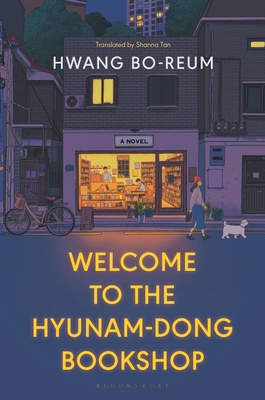
Yeongju decides to make a massive change in her life: she divorces her husband, leaves her stressful, high-paying job, and opens up a bookstore. It takes her a while to figure it out, but she’s gradually able to make the store more successful, hire employees, bring in authors to do talks, set up book clubs, and create a small community around it. Over time, they all start to use the bookstore as a sanctuary: a place to slow down and take the time to appreciate the things they love in life, including books, coffee, and other people. At times, this feels like a cute, heartwarming, uplifting tale; at times, it feels a bit slow and naive. Overall, a good, but not great read.
I appreciate the central message of the book: life isn’t all about the fast-paced rat race of the world of business. It’s OK to take time to slow down, reflect on what really matters to you, read a good book, and have a good conversation. Almost every character in this book seems to use the bookstore as a place of refuge from the madness of the wider world. It’s so easy to get caught up in the whirlwind of the modern world, and to obsess only with the various competitions (get into the best schools, get the best job, make the most money) that you lose track of the really important things. The book drives this message home pretty effectively early on.
However, the book then keeps going, and repeating this message over and over again, and taking it a bit too far. For example, the book encourages several characters to not work at all, or to work only part time. That’s great for some people, some of the time, but feels deeply unrealistic as a global, long-term strategy for everyone. It’s even more absurd when you consider that Yeongju is a small business owner; as a small business owner myself, I can tell you that it, if anything, being an owner exposes you to more stress, more fast-paced competition, and is more all-consuming.
(Minor spoiler) I also couldn’t help but laugh when Yeongju decides to only stock indie books in her store, and no bestsellers. Sounds like a hip, cool thing to do, except for one issue: bestsellers actually sell, and let bookshops stay in business. If she doesn’t sell books, her bookshop goes out of business, and everyone loses the sanctuary they all rely on. And what happens if an indie book becomes a bestseller? Does she take it off the shelf because people actually like it? Is the implication that Yeongju wouldn’t stock a book like Welcome to the Hyunam-Dong Bookshop?
As always, it’s all about balance. Focusing too much on the rat race is just as bad as ignoring it entirely and pretending business and money don’t matter. Somewhere in the middle is what we really need. The book doesn’t always hit that Goldilocks “just right” point, so I found myself rolling my eyes at times; but at other times, I found myself smiling at this cozy read that is like a love story to books, bookstores, and book clubs.