The good
-
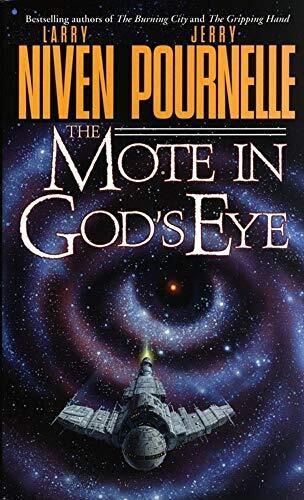
Interesting new universe. So many of the ideas in newer sci-fi books I read seem to be built on the basic structure in this book: a human empire spread across many colony worlds, a space navy/marine combination as the military, the ability to “jump” between star systems, civil wars, and so on. That said, perhaps this book copied these ideas from yet some earlier book?
-
The alien civilization in this book is at least somewhat unique. They are still somewhat humanoid, which is a bit unimaginative, but the way their society is structured is original. It’s an interesting society that is not only organized into classes/castes, but genetically different based on those roles (e.g., engineer, mediator, watchmaker, warrior). The engineers are especially fun, as they build constantly, and customize everything they do for every use case. And the big twist is a good one.
-
In the middle of the book, various battles break out, and I found those to be well-written and exciting.
The not so good
-
Other than the exciting middle of the book, much of the rest is slow and drawn out. Lots of long discussions, politics, etc.
-
Discussions and politics could be fun, except that most of the characters are flat and boring, especially the protagonist (Roderick Blaine) and his love interest (Sally Fowler). They seem like generic caricatures—the bold the damsel—designed to progress the plot more than anything else. The only interesting character is Admiral Lavrenti Kutuzov, due to how rigidly he does his duty, but even he loosens up to accommodate the plot later on.
-
There is only one woman in the whole story, and her main role is to be the love interest for the protagonist.